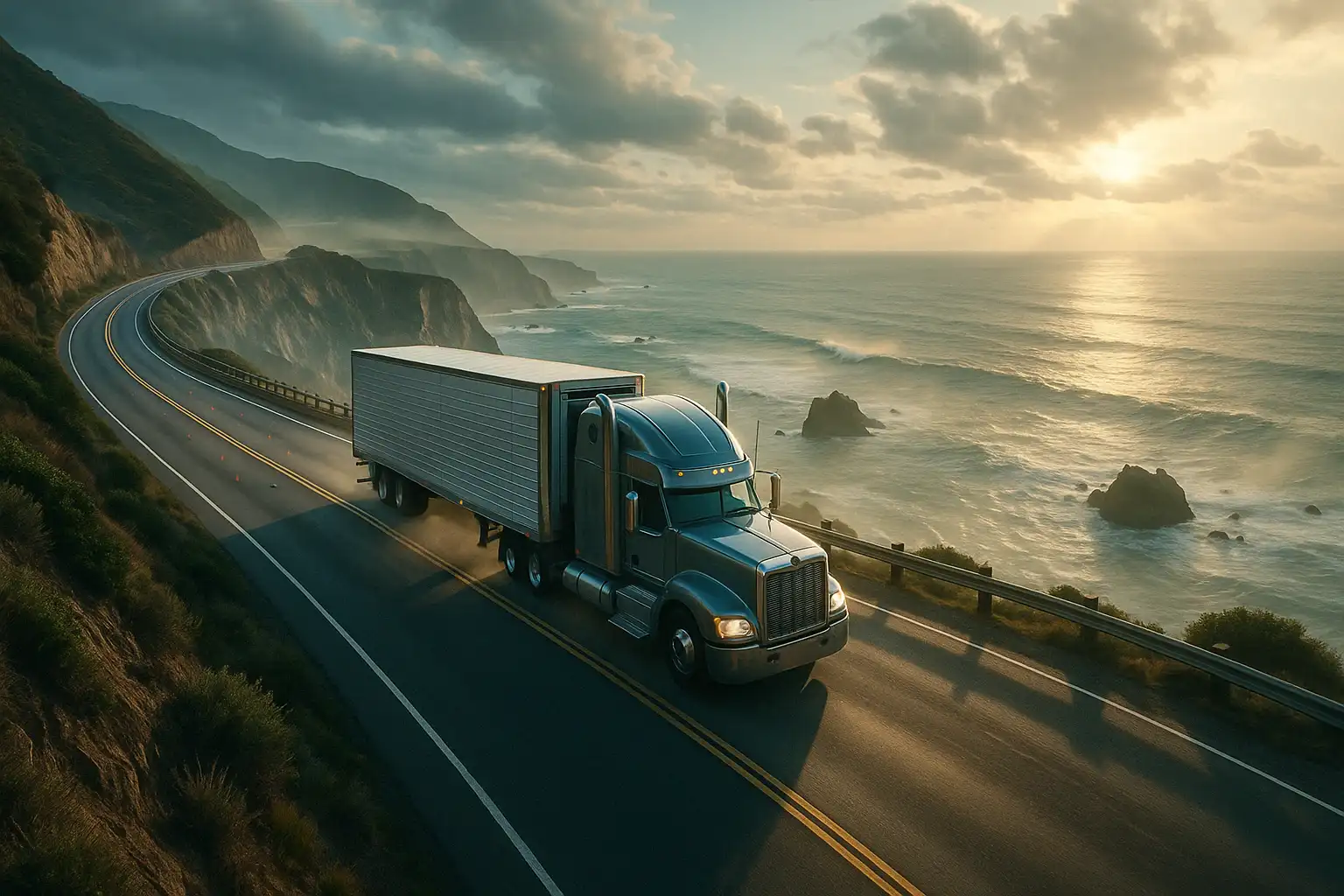
When most people think of Arizona trucking, they picture massive dry vans moving electronics and consumer goods out of the West Valley warehouses. But there is another, highly specialized, and incredibly lucrative freight market operating in the state: the agricultural pipeline flowing out of Yuma.
During the winter months (from November through March), the Yuma Valley becomes the "Winter Salad Bowl Capital of the World." This region produces roughly 90% of all the leafy greens consumed in the United States and Canada during the winter. Moving millions of pounds of highly perishable lettuce, spinach, and broccoli requires a massive fleet of skilled Commercial Driver's License (CDL) holders.
If you are an Arizona-based driver looking for consistent, high-paying seasonal work, understanding the Yuma agricultural connection is essential.
The World of "Reefer" Hauling
You cannot haul fresh lettuce across the desert in a standard dry van. This route requires a specialized trailer called a refrigerated van, commonly known in the industry as a "reefer."
Reefer trailers are heavily insulated and equipped with a powerful diesel cooling unit mounted on the front. As a driver, your job is not just steering the truck; you are a mobile climate control manager. You are responsible for ensuring the trailer is pre-cooled to the exact temperature specified by the shipper (often around 34 degrees Fahrenheit for leafy greens) before loading, and you must constantly monitor the unit's fuel levels and temperature readouts throughout the trip.
If the reefer unit fails and the temperature spikes for even a few hours, the entire load of produce can wilt and spoil. If a load is rejected by the receiver due to temperature abuse, the financial claim can easily exceed $50,000. It is a high-responsibility job, which is why reefer drivers are generally paid a premium over dry van drivers.
The Yuma to Phoenix Corridor
The primary route for moving this produce begins in the fields of Yuma. The logistics are fast and chaotic. Produce is cut from the earth, rapidly cooled in massive vacuum tubes, and immediately loaded onto waiting reefer trucks.
Drivers then push east on Interstate 8, a quiet but heavily patrolled highway that skirts the US-Mexico border. They connect with Interstate 10 near Casa Grande and push north into the massive distribution hubs in Phoenix.
From Phoenix, the produce is often cross-docked (transferred to other trucks) and dispersed nationwide—heading east to Texas on I-10, north to Utah on US-93, or continuing across the country.
The Challenges of Agricultural Hauling
While the pay is excellent, hauling agriculture (often called "running ag") is not for the faint of heart.
Unpredictable Schedules: Agriculture does not operate on a 9-to-5 schedule. You are at the mercy of the harvest. If it rains in Yuma, the tractors can't get into the muddy fields to cut the lettuce, meaning you might sit at a truck stop for 12 hours waiting for your load to be ready.
Night Driving: Because the goal is to get the produce to grocery store shelves as quickly as possible, agricultural haulers frequently run deep into the night to avoid daytime traffic congestion in major cities.
Strict Appointment Times: Grocery distribution centers (like Kroger or Safeway) run incredibly tight receiving schedules. If you miss your unloading appointment because you mismanaged your Hours of Service (HOS) or got stuck in traffic, you might be forced to wait 24 hours for a new appointment, eating into your profitability.
A Seasonal Goldmine
For drivers who master the art of reefer hauling, the Yuma winter season is a financial goldmine. The massive surge in demand for trucks drives up the per-mile freight rates significantly. Many regional owner-operators and company drivers base their entire yearly financial strategy around running hard and heavy during the four-month Yuma lettuce season.
If you thrive under pressure and enjoy the meticulous nature of specialized freight, getting your Class A CDL and stepping into the refrigerated agricultural market is a fantastic way to maximize your income in Arizona.